International Wildlife Research
  • WELCOME
  • ABOUT
  • RESEARCH
  • RESPONSE
  • GALLERY
  • SEA OTTER STATUS
  • EVENTS
    • MY EVENTS
    • MY QUIZ RESULTS
    • LOG IN
  • Click to open the search input field Click to open the search input field Search
  • Menu Menu
    • Care and Handling of Oiled Sea Otters
      • Ch. 1 The Effects of Oil on Sea Otters
        • Ch. 1 Introduction
        • Necropsy Protocols and Tissue Collection
        • Mortality of Oiled Sea Otters
        • Pathology and Toxicology of Individual Organ Systems
        • Clinical, Toxicological, and Histopathologic Profiles of Oiled Sea Otters
        • Summary
        • Literature Cited
      • Ch. 2 Sea Otter Capture
        • Ch. 2 Introduction
        • Prespill Planning
        • Training
        • Safety
        • OSHA Regulations for Handling Hazardous Substances
        • Capture Equipment and Techniques
        • Discussion
        • Summary
        • Literature Cited
      • Ch. 3 Physical and Chemical Restraint
        • Ch. 3 Introduction
        • Physical Restraint
        • Chemical Restraint
        • Summary
        • Literature Cited
      • Ch. 4 Initial Clinical Evaluation
        • Ch. 4 Introduction
        • Establishing Physiological Stability in Oiled Sea Otters
        • Assessing the Degree of Contamination
        • Treating the Medical Disorders of Oiled Sea Otters
        • Summary
        • Literature Cited
      • Ch. 5 Diagnosis and Treatment
        • Ch. 5 Introduction
        • Disorders Common to the Early Phase of Oil Spells
        • Disorders Common to Both Phases or the Late Phase of Oil Spills
        • Long-Term Treatment of Oiled Sea Otters
        • Summary
        • Literature Cited
      • Ch. 6 Cleaning and Restoring the Fur
        • Ch. 6 Introduction
        • Structure and Function of Sea Otter Fur
        • Cleaning Oiled Sea Otter Fur
        • Post-Cleaning Restoration of the Fur
        • Summary
        • Literature Cited
      • Ch. 7 Husbandry and Nutrition
        • Ch. 7 Introduction
        • Cages, Pens, and Pools
        • Nutrition and Food Preparation
        • Water Quality, Cleanliness, and Disease Prevention
        • Summary
        • Literature Cited
      • Ch. 8 Pregnant Sea Otters and Females with Newborn Pups
        • Ch. 8 Introduction
        • Pregnancy in Sea Otters
        • Anesthesia and Physical Restraint
        • Medical Considerations
        • Husbandry Considerations
        • Toxicological Considerations
        • Summary
        • Literature Cited
      • Ch. 9 Care of Sea Otter Pups
        • Ch. 9 Introduction
        • The Sea Otter Pup
        • Transportation to the Rehabilitation Center
        • Triage and Stabilization
        • Cleaning and Restoring Oiled Pup Fur
        • Clinical Treatment
        • Feeding
        • Husbandry
        • Summary
        • Literature Cited
      • Ch. 10 Release Strategies
        • Ch. 10 Introduction
        • Release Alternatives
        • Geographical Considerations
        • Taxonomic Considerations
        • Other Considerations
        • Selection of Release Sites
        • Monitoring Released Sea Otters
        • Summary
        • Literature Cited
    • Logistical Considerations for Large Spills
      • Ch. 11 Wildlife Triage
        • Ch. 11 Introduction
        • Triage for Oiled Wildlife
        • Short Term Versus Long Term Consideration
        • Summary
        • Literature Cited
      • Ch. 12 Facilities for Oiled Sea Otters
        • Ch. 12 Introduction
        • Regional Rehabilitation Facility
        • Prerelease Facilities
        • Remote/Mobile Triage Facilities
      • Ch. 13 Facility Management and Personnel
        • Ch. 13 Introduction
        • Management Structure and Personnel Responsibilities
        • Number of Personnel Required
        • The Role of Volunteers
        • Summary
      • Ch. 14 Health, Safety and Hazardous Materials (Hazwoper) Training
        • Injury and Illness Prevention Program
        • General Code of Safe Work Practices
        • Biological Hazards
        • Chemical Safety
        • Cryogenic Fluids
        • Emergencies
        • Fire Safety
        • Gases
        • Seismic Safety
        • Traffic and Transportation
        • Weather
    • Other Marine Mammals
      • Ch. 15 Effects of Oil on Other Fur-Bearing Marine Mammals
        • Ch. 15 Introduction
        • A brief Historical Perspective
        • Categories of Oil Impact
        • Assessment of Impact and Strategy Planning
        • Capture and Restraint
        • Clinical Examination and Treatment
        • Cleaning Procedures
        • Blood Analysis and Pathology
        • Post-Release Monitoring and Summary
        • Literature Cited
    • Natural History of Sea Otters
      • Classification
      • Evolution
      • Distribution
      • Anatomy
      • Fur as an Insulator
      • Locomotion in Water
      • Locomotion in Land
      • Abdominal and Thoracic Organs
      • Average and Maximum Dive Duration
    • Tour the Emergency response Facility
    • IWR Employee Project Manual
      • About IWR
      • IWR Structural Organization
      • What You Can Expect from IWR
      • What IWR Expects from You
      • Administrative Policies
      • Standards of Conduct
      • Payroll
      • Work Schedule
      • Other Policies
    • Glossary
      • A-G
      • H-M
      • N-Z
    • Certification Quiz
    • Appendices

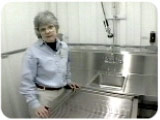
Tour the Emergency Response Facility
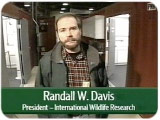
Introduction
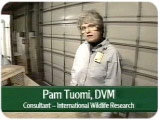
Introduction

Receiving Area

Receiving Area

Sedation

Sedation

Washing Room

Washing Room

Drying Room

Drying Room

Service/Critical Care
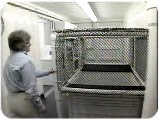
Service/Critical Care

Pens/Nursery

Pens/Nursery

Lab/Clinic

Lab/Clinic

Necropsy

Necropsy

Previous | Next

ABOUR IWR

International Wildlife Research (IWR) is operated by dedicated scientists, veterinarians and wildlife specialists with expertise and experience in the care and rehabilitation of oiled wildlife.

Read more…

IWR on Instagram

IWR Contact Information

Dr. Randall Davis Texas A&M University
200 Seawolf Parkway, OCSB
Galveston, TX 77551

wildliferesearch.iwr@gmail.com

Our courses

  • Online Training Course – Oiled Sea Otter Rehabilitation
  • Online Training Course – Sea Otter Capture
© Copyright - International Wildlife Research - Enfold WordPress Theme by Kriesi
Scroll to top Scroll to top Scroll to top